An orthobiologic option prepared from a concentrated portion of your own blood to support recovery from joint, tendon, and soft-tissue injuries.
What Is PRP Therapy?
Platelet-Rich Plasma (PRP) therapy is a regenerative treatment that uses a concentrated portion of your own blood to support the body’s natural healing response.
Platelets are best known for their role in clotting, but they also store growth factors that play a part in tissue repair. By concentrating platelets from a small blood sample and reintroducing them into an injured area, PRP is intended to help support that natural repair process as part of a broader, individualized treatment plan.
How PRP Works
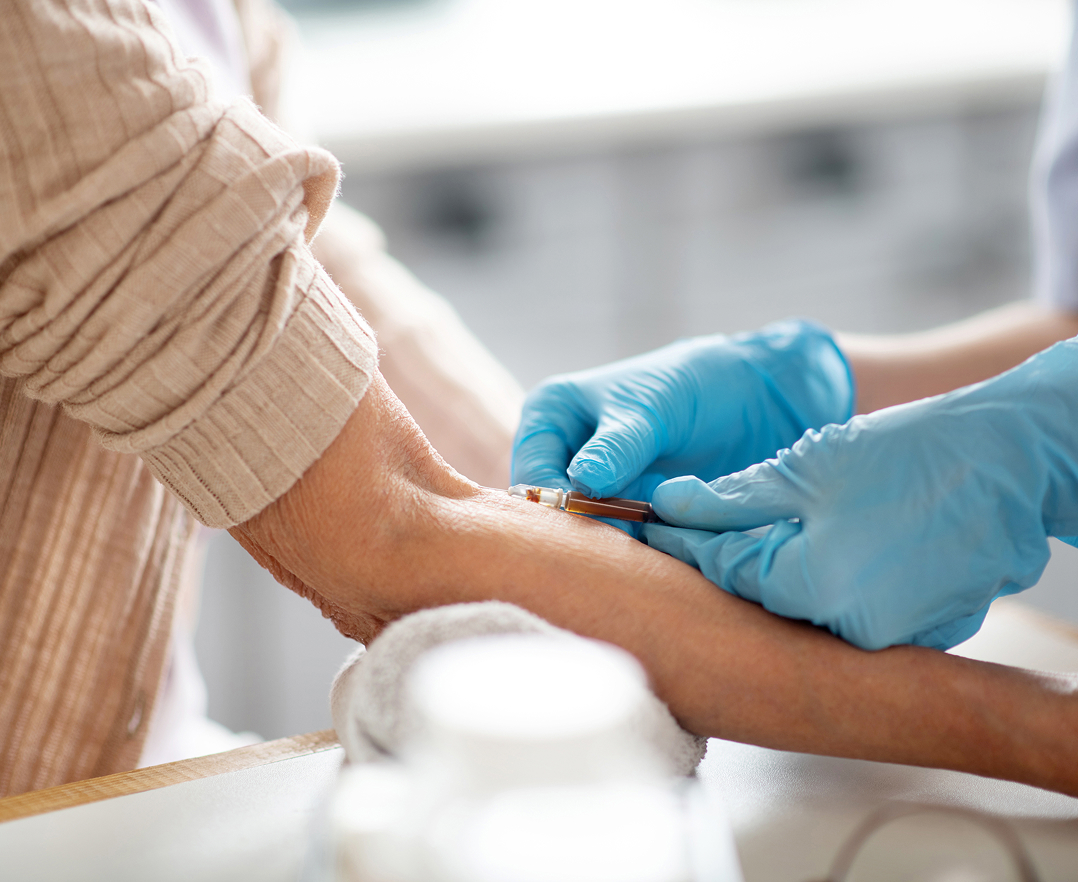
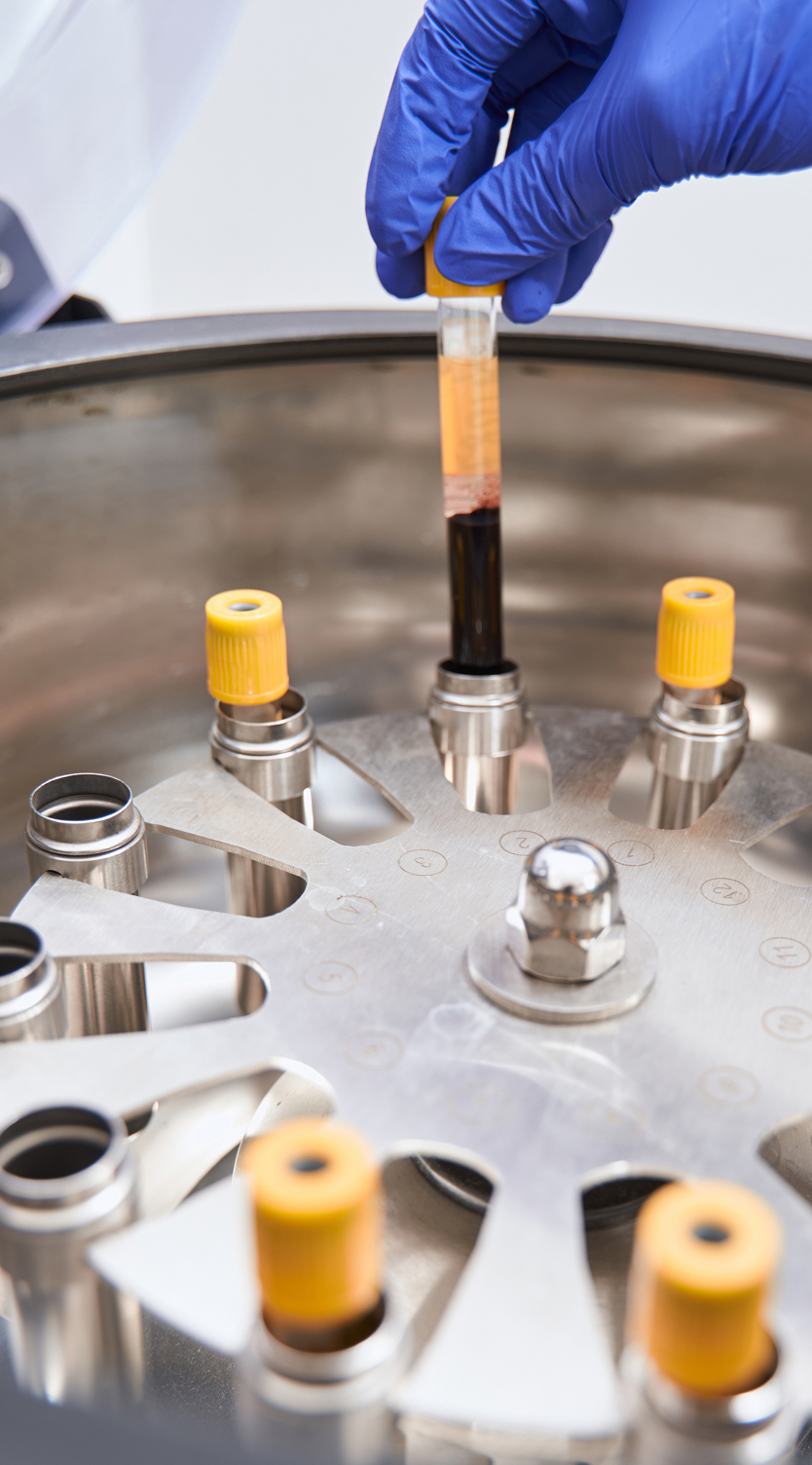
PRP therapy begins with a simple blood draw, similar to routine lab work. That sample is then placed in a centrifuge, a device that spins the blood at high speed to separate its components by density. This process concentrates the platelets and separates them from red blood cells, leaving behind a plasma solution with a higher-than-normal platelet concentration. Once prepared, we inject the PRP directly into the affected joint, tendon, or soft-tissue structure, often using ultrasound guidance to help precisely target the intended area.
Step 1
Blood draw
A small sample, similar to routine lab work.
Step 2
Centrifuge
Spun at high speed to concentrate the platelets.
Step 3
Injection
Placed in the affected area, often with ultrasound guidance.
What to Expect During Your Treatment
Most PRP appointments can be completed in a single visit, from blood draw to injection. Because the injection uses a concentrated form of your own blood, the risk of an allergic reaction or rejection is generally lower than with treatments that use donor tissue or synthetic materials.
Some patients notice mild soreness or swelling at the injection site in the days following treatment, which is a normal part of the body’s response. We will go over what to expect afterward, including activity guidelines, during your visit.
Who May Be a Candidate
PRP therapy may be considered for a range of musculoskeletal conditions, including certain tendon injuries, ligament sprains, and joint conditions such as mild to moderate osteoarthritis, when appropriate for the individual.
Because every patient’s diagnosis, medical history, and goals are different, PRP is not the right fit for everyone. We start by reviewing your symptoms, imaging, and prior treatments together, so we can talk with you about whether PRP, another option, or a combination of therapies makes the most sense for your situation.
May be considered for
Tendon injuries
Ligament sprains
Mild to moderate osteoarthritis
What we review together
1
Your symptoms
2
Your imaging
3
Prior treatments
Why Choose Regen Ortho & Wellness for PRP
At Regen Ortho & Wellness, PRP therapy is never treated as a one-size-fits-all solution. Nikki Acuff, DMSc, MSPAS, PA-C, personally evaluates each patient and performs each procedure herself, using ultrasound guidance to help support precision when a procedure calls for it. Rather than defaulting to PRP for every patient who asks about it, we will walk you through how it compares with other options available at our practice, including A2M and BMAC, so you can make an informed decision about your care.
Curious whether PRP could be part of your plan? Book a consultation with Regen Ortho & Wellness, and we’ll talk through whether it’s a good fit for your joint, tendon, or soft-tissue injury.